A Real-World Review of the Retro Don't Stop Believing Bigfoot Design
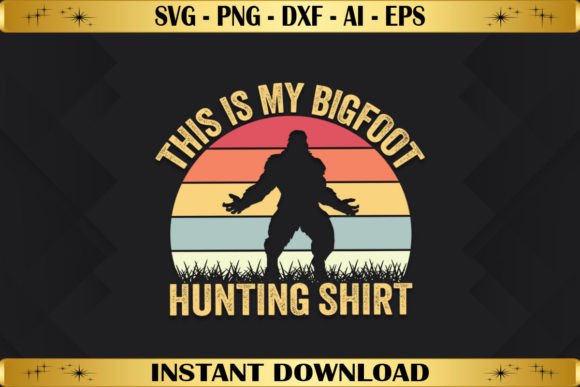
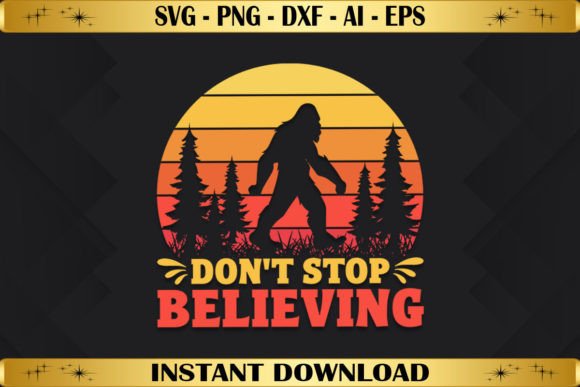
When you work in embroidery, you see a lot of designs. Some are flashy, some are trendy, and some are just… there. Then you open a file like the Retro Don't Stop Believing Bigfoot and it instantly tells you a story. This isn't just a graphic; it's a character. It has a personality that feels nostalgic, a little quirky, and genuinely fun. My first thought wasn't about the file formats—though getting SVG, PNG, DXF, AI, and EPS is exactly what you need for flexibility. My first thought was: "This is going to stitch out with a lot of charm."
The Mood It Sets and Where It Belongs
The design immediately creates a lighthearted, retro vibe. The bigfoot illustration isn't scary or overly detailed; it's playful. Paired with the "Don't Stop Believing" text, it leans into a sense of hopeful whimsy. This visual personality is perfect for projects that aren't meant to be too serious. It's a conversation starter. I naturally pictured it on a cozy, heavyweight sweatshirt for a weekend wearer, or as a standout feature on a canvas tote bag for someone who loves the outdoors and a good laugh. It feels like it belongs on items meant for personal expression, casual gifts, or boutique merchandise that celebrates niche interests.
Performance in Actual Embroidery Projects
In practical use, this design's success hinges on its application. The clear, bold shapes are a gift for machine embroidery. On a mid-weight cotton sweatshirt, using a quality stabilizer, the bigfoot figure and text should stitch with excellent clarity. The less-intricate detailing means fewer worries about tiny, dense stitch areas that can pucker or wear poorly. I'd confidently use it for a custom embroidered patch to be applied to a backpack or jacket—the bold outlines would hold up well.
For a personalized gift, like a baby’s blanket or a set of kitchen towels for a quirky friend, the design adds a unique touch without being overly sentimental. For small shop products, say in an Etsy store selling camp-themed apparel, this design becomes a ready-made design asset that can be produced quickly and consistently, which is key for building customer trust through a reliable, clean finished product.
Where This Design Calls for a Bit More Care
Like any embroidery file, its strengths also point to its limitations. The lettering, while clear, is not oversized. On very textured fabrics like a deep-pile fleece blanket, or on a curved surface like a cap, those smaller letters might lose some definition if the stitch density isn't adjusted. I would avoid using it on very thin or stretchy fabrics without a robust stabilizer strategy, as the solid fill areas could distort.
Also, the retro color palette implied by the design—likely involving a few key thread colors—requires thought on fabric background. On dark fabric, you need strong contrast colors to make the playful figure pop. It's always wise to test the design on scrap fabric first, especially if you're planning it for a product that needs frequent washing, like an apron, to ensure the stitches hold up.
Impact on Value and Engagement
From a business perspective, this design elevates a basic item. An ordinary tote bag with this embroidered patch becomes a themed, handmade product. It increases perceived value because it shows thought and a specific aesthetic. For a craft business, using such a recognizable and fun design can boost buyer engagement—people remember and connect with character-driven artwork. It enhances giftability because it feels personal and on-topic for someone with certain hobbies or tastes. The overall professionalism of your work, however, depends entirely on your execution: clean stitching, good color choices, and appropriate product pairing.
Practical Notes for the Working Designer
Before you run this embroidery project, here’s my workflow advice. First, check thread color contrast. Run a small section in a black and white mockup or on both light and dark fabric scraps to see how the details read. Second, review stitch density in your software preview; the provided vector files should allow you to adjust if needed. Third, confirm hoop size—the design’s dimensions will dictate the minimum hoop you can use comfortably, and you should ensure it fits your target item, like a pillow cover or baby clothes.
Always use proper stabilizer for the fabric you choose. And crucially, confirm licensing before selling finished items. The product listing mentions it's for T-Shirt Designs and Graphics, but you must verify the terms for commercial use of the digital embroidery file to protect your craft business.
The Final Stitch: A Design with Character
The Retro Don't Stop Believing Bigfoot design is more than a set of files in a zip folder. It’s a ready-made character with a mood that translates well into stitched form. It’s best suited for projects where that retro, hopeful, playful personality is the star—on sweatshirts, totes, patches, and gifts. Approach it with the practical respect any embroidery design deserves: test it, match it to the right fabric and product, and stitch it cleanly. When you do, it will deliver a finished piece that feels both charming and professionally made, exactly what your clients or gift recipients will appreciate.