Just Bee Kind: A Designer’s Review for Real Embroidery Projects
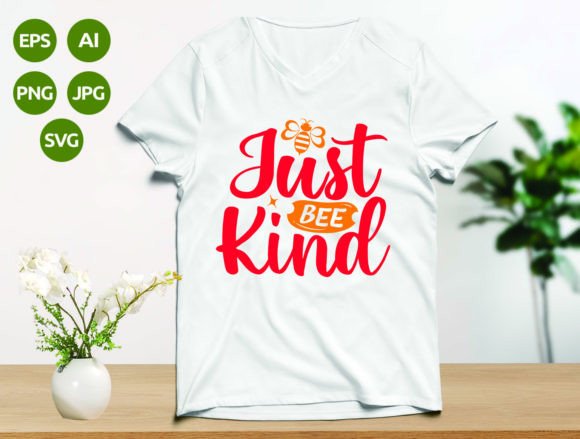
When I first opened the “Just Bee Kind” design, I had a client’s custom tote bag project in mind. They wanted a gentle, uplifting gift for a teacher, something simple but with a warm personality. This design landed perfectly. Its clean, vector-based bee and friendly slogan immediately suggested a project that would stitch out with clarity and charm, without being overly fussy. It’s the kind of graphic that feels approachable—a visual whisper of kindness rather than a shout.
The Natural Fit for Embroidered Gifts and Goods
The charm of this design lies in its universal theme. “Bee Kind” is a gentle pun that resonates widely, making it an excellent candidate for a range of handmade products. I envision it stitched onto a lightweight sweatshirt for a boutique, a cozy pillow cover for a nursery, or a crisp apron for a kitchen. The layout is balanced; the bee illustration is central and welcoming, with the text cleanly integrated. It doesn’t feel crowded, which is crucial for embroidery where dense areas can become stiff and uncomfortable on wearables.
For my tote bag project, the scale worked beautifully. The design is detailed enough to be interesting but not so intricate that it becomes a nightmare on textured canvas. It’s a graphics file that promises to translate well into stitches—the smooth curves of the bee’s wings and the simple letterforms are ideal for smooth satin stitches and clean fill areas.
Where This Design Performs Best in Practice
In real-life embroidery situations, this “Just Bee Kind” design shines on items where its message and aesthetic can be fully appreciated. Think of it on:
- Apparel for gentle messaging: T-shirts, lightweight sweatshirts, and baby clothes where the soft theme fits perfectly.
- Home goods with a personal touch: Pillow covers, tea towels, and blanket corners for a handmade, cozy feel.
- Personalized gifts with high appeal: Embroidered patches for backpacks, tote bags for friends, or caps for a small shop. It’s inherently giftable.
- Small business merchandise: For Etsy sellers or craft fair vendors, this design can be the centerpiece of a simple, sellable product line. Its professionalism elevates a basic item.
The fact that the file is described as vector and easy to modify is a significant advantage for commercial embroidery. I can adjust colors to match brand palettes or seasonal collections without losing quality, which is vital for brand consistency across a product range.
Handling the Details: A Practical Embroidery Perspective
While the design is lovely, its successful translation into a finished product depends on careful handling. Here’s where an embroidery designer’s practical judgment comes in.
Considerations for Stitching Success
The bee illustration has some lovely details—the wing outlines and the little antennae. On smaller hoop sizes, or on stretchy fabrics like thin t-shirts, these finer elements will require attention. A good stabilizer is non-negotiable here to prevent puckering and maintain stitch clarity. For dark fabrics, the thread color contrast becomes paramount. A bright, warm yellow for the bee against a navy background, for instance, would make this design pop beautifully and enhance its visual appeal.
I would be cautious about using it on highly textured fabrics or curved surfaces like caps without first testing. The lettering, while clean, needs space to remain legible. On a curved baseball cap seam, the “Kind” text might need slight repositioning if the file allows it. Always, always stitch a test run on a scrap of your target fabric first. Check the stitch density—if the fill areas in the bee’s body are too dense, it could make a t-shirt stiff.
Boosting Product Value and Customer Trust
Using a clean, well-designed file like this directly impacts your finished product’s perceived value. A crisp, un-puckered embroidery of this design on a tote bag signals quality to a customer. It builds trust in your handmade presentation. For a creative entrepreneur, this reliability allows you to confidently create printable mockups for your online listings, knowing the real product will match the preview. That engagement with potential buyers starts with a professional digital asset.
Essential Designer Notes Before You Hoop It
Before you commit this design to a client’s baby blanket or a batch of boutique aprons, run through this quick mental checklist:
- Test on Scrap: Hoop it on a leftover piece of your project fabric. Examine the small details and the overall stitch integrity.
- Color Contrast: Review your thread choices against both light and dark fabric backgrounds. Sometimes a design looks different in black and white mockups versus colorful stitches.
- Hoop Size Compatibility: Confirm the design fits comfortably in your planned hoop size, allowing for clean registration of all elements.
- Licensing for Your Use: The product description mentions file formats for modification, but always confirm the specific licensing terms. Is it cleared for commercial embroidery projects where you sell the finished physical product? This is crucial for Etsy sellers and small shop owners.
- Machine and File Prep: Ensure your embroidery machine file from the provided formats is error-free. The vector nature should help, but double-check paths and conversions.
Embroidery is a craft of transformation—a digital file becomes a tactile, thread-based reality. The “Just Bee Kind” design is a strong starting point for that transformation. It offers a friendly theme, a clean aesthetic, and the flexibility that makers and small business owners need. With practical preparation, it can become a beloved element on a custom apparel item, a cherished personalized gift, or a reliable best-seller in your craft business. Just remember: kindness in the message starts with care in the execution.