An Honest Look at the Veterinary Medicine Embroidery Design
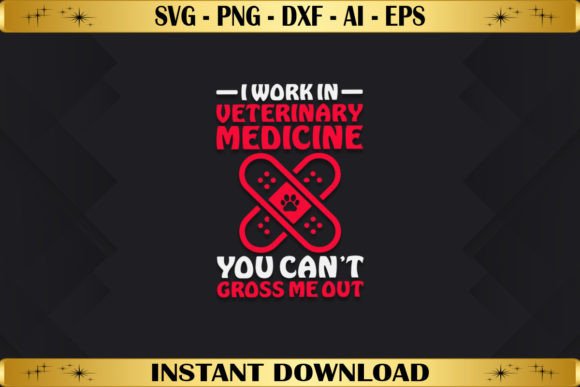
When I first saw the I Work in Veterinary Medicine You Can t design, my immediate impression was that this is a confident, niche-specific graphic with a clear personality. The bold, almost defiant statement has an inherent humor and pride that’s perfect for a profession that truly earns its stripes. This isn’t a generic, cutesy design. It carries attitude. From a design standpoint, the layout is straightforward and the text is the clear hero, which is a good sign for a successful machine embroidery design. Complex illustrations can sometimes translate poorly into stitches, but a strong textual statement like this often converts cleanly.
The Kind of Project This Design Calls For
This design feels like it belongs on items meant for wear, display, or practical use by people in the veterinary field or those celebrating them. My mind goes immediately to a custom embroidered sweatshirt or a sturdy canvas tote bag for a vet tech—something they’d use daily that speaks to their reality. It’s also a fantastic candidate for a personalized gift, like an apron for a clinic staff member or a decorative pillow cover for an office. The tone makes it less suited for delicate baby clothes but perfect for adult custom apparel or even a durable embroidered patch that could be added to a work bag or jacket.
Imagine a scenario: a small shop owner preparing holiday gifts for a local veterinary clinic. A set of embroidered tea towels or kitchen towels with this design would be a genuinely appreciated, practical gift. The design’s message is specific, which adds immense value over a generic graphic. It creates an instant connection with the recipient.
How It Translates From File to Fabric
In practical use, the success of this embroidery file hinges on its execution. With the provided file formats like SVG and AI, you have flexibility for scaling, which is crucial. For embroidery, you’ll be converting or using these as a basis for your stitches. The detail level appears manageable—there are no overly intricate illustrations that might become muddled. However, the phrase “You Can t” with its contracted form is a single line of text. This is where you need to be observant.
On a real project, like stitching this onto the curved surface of a cap, that text line needs careful hoop placement and adequate stitch density to remain crisp. On a dark fabric, like a navy sweatshirt, using a bright white or vibrant colored thread will make the statement pop with excellent thread color contrast. Conversely, on a light fabric, a bold black or dark blue satin stitch would create strong visual impact. The clean layout suggests that satin stitch for the main text and perhaps a simpler running stitch or fill for any supporting elements would work well, but always check the exact composition in your software.
Where This Design Should Be Used With Care
My professional advice is to approach a few scenarios with extra planning. If you’re considering a very small hoop size, for instance on a baby item’s tiny sleeve or a small patch, the lettering might become too condensed and lose clarity. Always test the design on scrap fabric first at your intended size.
Textured fabrics, like some sweater knits or terry cloth, can swallow up detail. For a successful application on these, a robust stabilizer is non-negotiable. Similarly, on stretchy fabric like standard t-shirts, proper stabilization and perhaps opting for a less dense stitch type will prevent puckering and ensure the design wears well over time. This is especially important for apparel that will need frequent washing. The design’s boldness should last.
One of the best practices I follow is to test it in black and white mockups to see how the silhouette holds up. This helps visualize it on both light and dark backgrounds without color bias. It’s a simple step that prevents surprises.
The Real-World Impact on Your Product and Customer
Using I Work in Veterinary Medicine You Can t on a finished product does more than just decorate it. It enhances the product’s perceived value because it speaks directly to a specific audience. For a craft business or Etsy seller, offering this on a customizable tote bag or apron taps into a niche market. The design’s authenticity builds customer trust—they feel you understand their profession or passion.
The handmade presentation gains a layer of meaning. It’s not just a pretty pattern; it’s a badge of honor. This boosts its giftability and makes it a strong candidate for small shop merchandise or craft fair products. From a brand consistency perspective, if your shop focuses on medical or professional humor, this design fits seamlessly, reinforcing your niche.
For commercial embroidery projects, such as creating uniforms or promotional items for a veterinary clinic, this design offers immediate recognition and a sense of internal camaraderie. It’s professional in its specificity, not in a corporate sense, but in a human, relatable way.
Practical Notes Before You Hoop the Fabric
Here’s my mental checklist before I’d run this design on a real machine for a client project or my own handmade product:
- Always confirm the exact sizing in your embroidery software. The provided files are digital embroidery files, but the final stitch count and dimensions matter for your specific machine and hoop.
- Inspect the small details. Are there any tiny corners in the lettering that might require adjusted stitch settings to prevent thread breaks?
- Compare light and dark fabric backgrounds virtually or with tests. Decide on your thread palette accordingly. High contrast is key for readability.
- Understand the license. The product is categorized under T-Shirt Designs and Graphics. Before selling finished items or using it in digital product previews, confirm that the licensing allows for commercial use of the embroidered end product. This is a crucial step for digital product sellers and creative entrepreneurs.
- Remember, this design is likely intended to be the focal point. On a pillow cover or blanket, consider its placement centrally for maximum effect. On a cap, the curved surface necessitates a smaller, centered design that might require scaling.
In the end, I Work in Veterinary Medicine You Can t is a design with clear, practical potential. It’s not for every project, but for the right project—a gift for a vet, merchandise for a clinic, or a personal item for someone in the field—it can stitch out into something with genuine character and appeal. It reminds us that good embroidery design isn’t just about aesthetics; it’s about resonance. This one, with its straightforward, proud message, has the makings of a resonant finished product.