Sister of a Heart Warrior T-Shirts Embroidery Review
A Design with Real Heart, Perfect for Stitchcraft
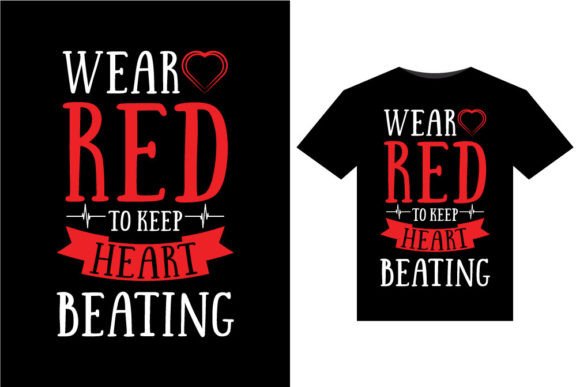
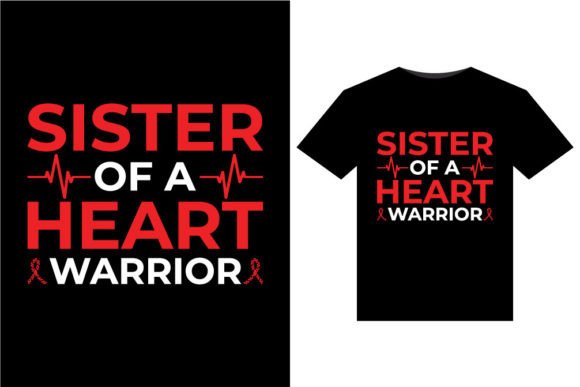
When I first opened the Sister of a Heart Warrior T-Shirts vector file, the mood was immediate. It wasn’t loud or flashy, but quietly supportive—a clean, purposeful graphic built around the bond between siblings and the journey of congenital heart disease. The lines were crisp, the theme unmistakable, and the visual personality felt both gentle and bold. As someone who digitizes artwork for machine embroidery every single day, I could already picture this one under the needle, taking shape in satin stitch on a soft grey sweatshirt or filling the front panel of a sturdy canvas tote. The layout is classic and readable, with a balance of simple heart imagery and carefully placed lettering that respects the emotional weight of the message. There’s no clutter, no fussy detail that would turn into a muddy mess of thread. Instead, this illustration leans into its purpose: connection, awareness, and love. I knew right then I’d be testing a stitch-out before recommending it to my fellow embroidery designers, Etsy sellers, and craft business owners. It just felt like something a handmade product deserves.
A Real Project That Proved Its Worth
I had a client reach out a few weeks ago. She runs a small shop selling custom personalized gift items, and one of her regular buyers wanted an embroidered tote bag for her younger sister—a heart warrior celebrating a big milestone after surgery. The request was for something soft but hopeful, wearable yet special, and absolutely not generic. I pulled up the Sister of a Heart Warrior T-Shirts graphic, resized it to fit a 5x7 hoop, and started the digitizing process. The vector was completely resizable, as advertised, with no loss of clarity. I mapped out a satin stitch for the heart outline, a light fill stitch for the inner shape, and a clean running stitch for the handwritten-style text. I chose a dusty rose thread on a natural cotton tote, added a medium-weight cutaway stabilizer, and ran a test stitch. The result was exactly what I hoped for. The lettering read clearly, the heart had dimension, and the whole piece felt like it belonged on a boutique shelf. My client’s customer ended up in tears when she saw the finished product—these are the moments that remind you why the right embroidery design matters far beyond the thread.
How This Graphic Translates into Machine Embroidery Success
Of course, the Sister of a Heart Warrior T-Shirts collection isn’t a stitch-ready file, and no experienced embroidery designer expects it to be. It’s a vector graphic, which means you control the stitch types, pull compensation, and trims. That flexibility is a gift if you have digitizing skills. I’ve now mapped it onto several products with heartwarming results, and here’s where I see it performing exceptionally well:
- T-shirts and sweatshirts: Lightweight cotton knits hold the design comfortably when you keep the stitch density moderate and use a soft mesh stabilizer.
- Tote bags and canvas pouches: The flat weave is forgiving, and the heartfelt message turns a plain bag into a purposeful carry-all.
- Baby onesies and children’s apparel: With a reduced stitch count and a gentle stabilizer, the design becomes a treasured keepsake for siblings of heart warriors.
- Pillow covers and nursery decor: Embroider it on a linen-blend cushion and you’ve got a thoughtful baby shower or welcome-home gift.
- Aprons and tea towels: An unexpected but beautiful pairing; the design adds warmth to kitchen textiles and works wonderfully as a handmade product for charity bake sales or awareness events.
- Embroidered patches: Digitize it onto a solid felt or twill and you have a sew-on or iron-on patch that parents and siblings can wear on jackets and backpacks.
In every test, the design’s emotional core held up under the needle. The message doesn’t lose impact after stitching—instead, it feels more permanent, more tangible. For small shop product lines that focus on congenital heart disease awareness, this graphic is a compelling foundation for a whole collection.
Watchpoints for Flawless Results
Even a clean vector can trip up an unprepared embroiderer. The Sister of a Heart Warrior T-Shirts design contains text and heart elements that need a careful eye, especially when downsizing for small hoop openings. Here’s where I’d advise slowing down:
- Very small sizes: If you scale below 3 inches wide, the lettering may start to close up. Test on scrap fabric first, and consider converting tiny text to a single-running stitch path for readability.
- Textured or lofty fabrics: Fleece, terry cloth, and thick knit sweaters can distort fine details. Use a water-soluble topping and increase the underlay slightly.
- Dark backgrounds: A red or pink heart can get lost on a black T-shirt without sufficient contrast. Thread color testing on a printable mockup helps, and a white underlay behind the thread brightens the design.
- Caps and curved surfaces: The placement on a cap brim is tricky because the design leans rectangular. If you must, embrace a patch format instead of direct embroidery.
- Stretchy garments: On spandex blends or very thin jerseys, stabilize aggressively and avoid dense fill stitches that can pucker after washing.
As a rule, I always stitch a test on scrap fabric with the exact materials and stabilizer I’ll use for the finished project. This lets you check thread tension, color contrast, and whether the design feels balanced. For dark fabric embroidery especially, a half stitch-out on a black and white background reveals contrast issues you can easily miss on screen.
Digitizing Notes That Save Time and Thread
Because this is a T-Shirt Designs graphic in the Graphics category, it arrives as a scalable illustration, not an embroidery file. That means no pre-set stitch types, no automatic trims, and no hoop size limitations—but also no shortcut if you’re new to digitizing. I turned the heart outline into a medium-width satin stitch (about 3.5 mm), filled the inside with a light tatami fill, and used a delicate running stitch for the words. I kept the stitch density lower than a typical commercial patch because I wanted the fabric to remain soft against a child’s skin. If you’re selling these on baby clothes or toddler blankets, comfort matters as much as appearance. I also digitized the design in two versions: one with a subtle contour border for light fabrics and one with a knock-out underlay for dark fabrics. That small step saved me from stitching each piece twice and gave consistent results across my craft business inventory.
Color Customization Opens a World of Possibilities
One of my favorite things about working with a vector file is the complete control over thread palette. For a custom apparel order, I matched the heart to the customer’s brand colors—a soft teal and cream combination that looked stunning on a chunky knit throw blanket. For a holiday gift, I used gold metallic thread and stitched it onto a velvet pillow cover. The design’s simplicity means you can go classic with red and white, or get creative with unexpected shades like dusty lavender or warm mustard. This flexibility makes it a strong candidate for boutique branding and Etsy seller storefronts, where even a small color shift can define a whole collection. I also recommend testing the design in grayscale when setting up a listing; a black-and-white printable mockup can highlight whether the silhouette still reads clearly.
Selling the Sentiment: What Buyers Actually Notice
When a customer picks up an embroidered item, they feel the texture before they fully process the design. With the Sister of a Heart Warrior T-Shirts graphic, that first touch is often followed by a pause and a smile. The message speaks to families navigating something deeply personal, and a well-stitched product carries that empathy right into someone’s daily life. I’ve had shop owners tell me that products featuring this theme often spark conversations at craft fairs and generate repeat buyers. The design picks up on the growing demand for meaningful, supportive merchandise that goes beyond generic slogans. For a handmade product business, that kind of emotional resonance translates into customer trust and higher average order values, especially when the stitch quality backs up the story.
Practical Reminders Before You Stitch and Sell
I always like to leave fellow makers with a clean checklist. When working with the Sister of a Heart Warrior T-Shirts vector, you’ll want to confirm a few things before launching a product line:
- Check the license terms. The product description mentions print-ready use, but if you plan to digitize and sell embroidered items, make sure your license allows commercial embroidery resale, not just printed T-shirts.
- Digitize with intention. Match stitch types to the fabric, not just the artboard. What looks clean on screen may need adjustment for fleece or denim.
- Review stitch density and hoop size. Even though the original vector is resizable, your embroidery machine has limits. Test across multiple hoop sizes to see where the design stays crisp and where it starts to fill in.
- Stitch a color-appropriate sample. Don’t assume the same thread set works on white, cream, and dark heather. Test both extremes to build customer-ready photos.
- Consider stabilizer type carefully. For tote bags and caps, a heavy cutaway prevents distortion. For baby onesies, a soft tear-away or wash-away keeps the back of the stitch smooth.
- Run a wash test. Especially for garments that will see frequent washing. You want that satin stitch to hold without breaking down after a few cycles.
These steps aren’t unique to this design, but they’re easy to overlook when you’re excited to list something new. The Sister of a Heart Warrior T-Shirts graphic deserves the same thorough treatment you’d give any professionally digitized embroidery file.
A Final Stitch on This Design’s Handcraft Potential
After several rounds of stitch-out tests and a few very happy finished products, I can say this: the Sister of a Heart Warrior T-Shirts design is a worthwhile addition to any embroidery designer’s asset library, as long as you treat it as a starting point, not a push-button solution. Its clean lines and heartfelt message suit a range of products, from baby embroidery to tote bag design, and the vector format gives you total creative control. Small shops and hobbyists with digitizing experience will find it easy to adapt for patches, sweatshirt embroidery, and seasonal gifts. If you’re building a line around congenital heart disease awareness or just want something that connects with families on a personal level, this graphic holds up remarkably well under thread. Just remember to test, stabilize, and scale with care—and always let the heart behind the artwork guide your hands.